Compliance in Healthcare
Corporate Compliance

Documentation Integrity Starts with Valid Authentication

Written by Joanne Byron, LPN, BS, CCA, CIFHA, CHA, COCAS, CORCM, CHCO, HPOC, OHCC, CMDP, ICDCT-CM/PCS 

This short article addresses a complex topic and is not intended as consulting or legal advice. The content is not all-inclusive. 

Introduction

Documentation integrity is the foundation of patient safety and legal protection, and it begins with the valid authentication of every medical record entry. By properly verifying a provider's identity, healthcare systems ensure accountability, prevent unauthorized alterations, and maintain the clinical trustworthiness required for high-quality care.

Medical documentation serves as the legal, clinical, and financial foundation of patient care. An entry in a patient's chart is much more than a routine administrative task; it is a legally binding testament to the care provided, the rationale behind clinical decisions, and the direct observations of a specific practitioner. Because clinical reasoning is unique to the individual practitioner who evaluates a patient, the integrity of that record relies entirely on traceability—the ability to definitively link clinical data to the exact individual who created it. Valid signatures and proper authorization of medical records serve as legal proof that a licensed provider performed, reviewed, or ordered the care documented.

  • Valid authentication is the fundamental anchor of medical documentation integrity. It transforms digital text into a legally binding, trustworthy medical artifact.
  • Without proof of exactly who authored an entry at a precise time, healthcare records lose their clinical reliability, legal defensibility, and billing compliance.

Strict authorship and authentication rules mandate that only the healthcare professional who performed a service, made an observation, or gave an order may authorize the entry. Delegating this responsibility by allowing one provider to authenticate or "sign off" on another's notes is a critical violation of medical record integrity and regulatory standard.

Why No One Can Authenticate a Note for Another

First-Hand Knowledge and Accountability - The provider who performed the assessment is the only person who can truly verify the accuracy, nuance, and medical necessity of the documented care. Signing a note without first-hand knowledge means the authenticator cannot legally or ethically swear to the validity of the observations, creating a falsified record of the encounter.

Fraud and Abuse Implication - In billing and compliance, authenticity concerns regarding the legitimacy of documentation can trigger severe penalties. If a physician authenticates a note for a mid-level practitioner or colleague whose work they did not observe, it artificially validates services that the signer cannot legally account for, frequently resulting in claim denial and accusations of healthcare fraud.

Legal Admissibility - In a court of law, medical records are routinely scrutinized under the business records exception to hearsay. If a record is printed, requested for a malpractice suit, and the metadata shows that Provider B signed Provider A's note without being in the room or evaluating the patient, the record’s legal admissibility is immediately jeopardized.

The Difference Between Countersigning and Authentic Authoring

It is a common misconception that "countersigning" is the same as authenticating another's note. While supervising or attending physicians are often required by hospital bylaws to countersign the documentation of residents, interns, or students, this countersignature serves as a verification of supervision or oversight, not a transfer of authorship.

The original author still maintains full responsibility for writing the note, and the countersignature simply proves the supervising physician reviewed the care, rather than replacing the original clinician's signature.

Authentication is the Non-Negotiable Foundation

Medical documentation integrity relies entirely on the accuracy and trustworthiness of the health record. It dictates that every diagnosis, treatment, and clinical observation is reliable enough to support patient safety and billing accuracy.

At the absolute center of this integrity lies authorship validation. Without secure authentication, it becomes impossible to prove who created or altered a specific piece of clinical data. Valid authentication guarantees that the provider who performed the care is definitively linked to the record of that care.

1.    Patient Safety and Continuity of Care

Clinical decision-making relies entirely on the history of previous treatments, medications, and diagnoses. If a provider cannot verify the identity of the clinician who entered a critical lab note or medication order, patient safety is severely compromised. Secure logins and electronic signatures establish clinical accountability, allowing care teams to trust the information they are acting upon.

2.    Legal Defensibility and Evidence

In medical malpractice lawsuits, the medical record acts as the definitive legal evidence. To be admissible in court, the record must be validated as an accurate and uncorrupted version of events. Robust authentication—such as a password protected electronic signature linked to comprehensive system metadata—proves that a specific clinician took responsibility for the information at a specific date and time.

3.    Reimbursement and Regulatory Compliance

Healthcare revenue cycles rely on billing for services that are strictly documented and verified by the practitioner. Guidelines from the Centers for Medicare & Medicaid Services (CMS) require that all services be authenticated by the author. Furthermore, HIPAA regulations mandate strict user identification and access controls to prevent fraudulent entries or data breaches. Proper authentication acts as an organization's proof of work and regulatory adherence.

Technology Enforcing Authentication Integrity

In modern Electronic Health Record (EHR) environments, verifying the author requires sophisticated digital controls rather than a simple typed name. The integrity of these digital records is enforced through:

  • Multi-Factor Authentication (MFA): Requires users to verify their identity through multiple methods (e.g., a password paired with a push notification or biometric scan).
  • Role-Based Access Control (RBAC): Ensures that clinicians only interact with and authenticate records that fall within their designated scope of practice and clinical responsibilities.
  • Tamper-Proof Audit Trails: Logs every single time a record is viewed, created, or modified, tracking exactly who made the entry, the exact time, and the device used.

EHR systems must use secure logins, digital certificates, or biometric scans to authenticate the author to comply with CMS, Joint Commission, State regulations, and FDA guidelines. For example:

  • The Joint Commission (TJC): TJC requires that all entries in the medical record be authenticated by the author, dated, and timed.
  • CMS Guidelines: CMS strictly prohibits "swoop and hoop" or auto-authentication practices where providers sign off on large batches of notes without individually reviewing them.
  • State Regulations: Individual state medical boards maintain specific laws regarding timeframes for record completion (e.g., dictating that notes must be signed within 24 to 48 hours).

Conclusion

Medical documentation is only as reliable as its source. By establishing a clear, verifiable link between the clinical event and the responsible provider, valid authentication prevents fraud, protects medical professionals, and above all, ensures patient safety. Without it, the entire foundation of healthcare data integrity collapses.

About the Author

Joanne Byron, BS, LPN, CCA, CHA, CHCO, CHBS, CHCM, CIFHA, CMDP, COCAS, CORCM, OHCC, ICDCT-CM/PCS is an executive educator with the American Institute of Healthcare Compliance, a Licensing/Certification non-profit partner with CMS. She shares her experience of over 40 years as a nurse, consultant, auditor, and investigator in the healthcare field.

References

American Institute of Healthcare Compliance - Clinical Documentation Improvement online training

https://dev-main.aihc-assn.org/product/clinical-documentation-improvement/

CMS

https://www.cms.gov/files/document/mln905364-complying-medicare-signature-requirements.pdf

https://www.cms.gov/regulations-and-guidance/guidance/manuals/downloads/pim83c03.pdf

https://www.wpsgha.com/guides-resources/view/227

Copyright © 2026 American Institute of Healthcare Compliance All Rights Reserved
Read More
Auditing, Managing Denials Is Important to Good A/R Hygiene
Auditing

Measuring Audit Results

Why Statistical Literacy is Crucial for Auditors 

Written by Joanne Byron, LPN, BS, CCA, CIFHA, CHA, COCAS, CORCM, CHCO, HPOC, OHCC, CMDP, ICDCT-CM/PCS 

Information provided below is a basic overview of common statistical terminology used when Auditing for Compliance and not intended as being comprehensive, legal or consulting advice.  Please consult a professional for more information regarding the importance of using statistical measures for your healthcare organization. 

Why Is This Important When Software Generates the Statistics?

It is essential for chart auditors to understand statistical terms even when software generates the statistics because automated tools cannot interpret context, detect hidden biases, or make judgment calls regarding data quality.

While software speeds up the analysis of large datasets, an auditor's understanding of statistics is required to validate that the results are meaningful, accurate, and truly answer the audit's objective rather than just identifying coincidental correlations.

Advantages of Using AI - Artificial intelligence (AI) and software tools are transforming medical chart audits from infrequent, retrospective sampling into continuous, comprehensive, and automated processes. These tools primarily utilize Natural Language Processing (NLP) and Machine Learning (ML). AI integrates with electronic health records (EHRs) to analyze 100% of patient records continuously, rather than relying on limited retrospective samples, providing the ability to identify documentation gaps (such as missing signatures, late entries, unsupported coding), coding errors, and compliance risks in real-time.

Advanced, AI-enabled health information systems can now analyze raw, disparate data from Electronic Health Records (EHR)—including clinical notes, lab results, and patient-reported metrics—to automatically calculate complex health scores like Metabolic Equivalents (METs) and identify declining kidney function.

AI-driven tools identify patterns of documentation errors, allowing auditors to proactively manage risks related to payer audits and recoupments or situations which can trigger investigative external audits.

Human Review is Necessary

Statistical software works on the principle "garbage in, garbage out" (GIGO). Auditors must know if the data was collected properly, if there are missing values, and if the data is skewed, as automated tools may process flawed data without flagging it.

Auditors ensure data integrity – that the data accurately reflects the patient encounter or financial transaction before software analyzes it. Understanding statistical distribution helps auditors know when a simple "average" is misleading and when they need to look at the median or standard deviation.

Then there is the importance of contextual interpretation. Human auditors are better at interpreting the context and intent of a clinical note, such as differentiating "CTA" (clear to auscultation) from "CTA" (CT-angiogram) based on the surrounding narrative. Also, auditors can integrate information not explicitly written together in a single section. It is important to insert the human factor because auditors can spot subtle indicators or nuance not easily quantifiable by algorithms.

Risk Oversight - Ethical and Regulatory Accountability

Human oversight is crucial to prevent the "black box" problem where AI makes decisions without transparency, mitigating potential bias in automated audit systems. It prevents algorithmic bias and "automation complacency" where humans over-rely on AI.

By keeping human judgment in the loop, especially when auditing complex datasets or making critical decisions, the integrated process ensures the logic behind a decision is interpretable, transparent, and legally sound.

Importance of Statistical Literacy

Compliance should be the focus of all your audit functions. Measuring where you are now and improvements achieved is accomplished by applying statistics to understand data collected during the baseline audit and subsequent audits over time.

In healthcare chart audits, statistics are primarily used to summarize coding, billing and documentation compliance as well as clinical performance, identify variations in care, and determine if quality improvement (QI) initiatives are successful. These audits rely on both basic descriptive measures and more specialized tools for monitoring trends.

Auditors use descriptive statistics to summarize data and describe the basic features of a set of patient records. Instead of reading hundreds of individual charts, auditors use these "snapshots" to see the big picture—like how well a clinic is following safety rules or what the "typical" patient looks like. Common techniques include frequency distribution, percentages, and proportions to assess compliance with rules, regulations and reimbursement standards. Visual tools such as bar charts, histograms, and run charts analyze trends over time, providing a visual illustration of the data.

Key Statistical Measures Auditors Should Know

Statistics provide a "snapshot" of performance, helping to identify areas for improvement in clinical care, documentation accuracy, and compliance without making broad generalizations about the entire population. Here are the most common descriptive statistics used in healthcare audits explained in simple terms:

Finding the Middle or Central Tendency (the “typical”)

Used to find the average or typical value in audit data. Auditors use these to identify the most common or "average" value in a group of charts. These statistics help identify the center or "middle" of the data set. Terminology associated with central tendency are:

  • Mean (average): The average value, calculated by adding all values and dividing by the total count. The sum of all values divided by the number of cases. It helps identify the average performance, such as the average length of stay.
  • Median (middle value): The middle value, often used to avoid skewing data with extreme outliers, especially in run charts. For instance, let’s say you have 5 patients waiting 10, 15, 20, 25, and 100 minutes to see the provider. The mean is 34 ((10+15+20+25+100)/5), but the median is 20. The median is better for spotting typical patient experience when a few outliers (like the 100-minute patient) skew the average.
  • Mode (most common value in the data set): The most frequently occurring data point. The mode helps auditors identify anomalies. If a provider's billing pattern shows a "mode" that differs significantly from peers (e.g., almost all visits are coded as complex), it serves as a red flag for review.

Measures of Dispersion (Variability or Spread)

Measures of Dispersion (also known as variability or spread) in a chart audit tell you how consistent or scattered your data is. While the average (mean) tells you where the center of the data is, the dispersion tells you if most records are close to that average or wildly different.

In a chart audit, high dispersion often means high variability in clinical practice, which might suggest a need for better standardization (e.g., in documentation, timing of care, or drug dosages).

  • Standard Deviation (SD): Measures the spread of data; a small standard deviation indicates data is tightly clustered around the mean. – An example – if the average audit score was 90% with an SD of 5% means most charts fall between 85% and 95%. SD is the most common, precise measure, but best used when data is roughly bell-shaped (normally distributed).
    • Low SD = Data is consistent (most nurses/doctors documenting similarly).
    • High SD = Data is inconsistent (wide variation in practice).
  • Range & Interquartile Range (IQR): Identifies the highest/lowest values and the spread of the middle 50% of the data. Excellent for skewed data or when you have outliers, as it ignores the extreme top and bottom, focusing on the "typical" records. It is a robust method identify the "normal" range of data while excluding extreme outliers that might skew results.

In a chart audit, high dispersion often means high variability in clinical practice, which might suggest a need for better standardization (e.g., in documentation, timing of care, or drug dosages). In summary, dispersion tells you if your performance is reliable (low spread) or unreliable (high spread).

Frequency & Proportions

Frequency and Proportions are the two primary, simple statistics used to turn raw medical record data into actionable information. Frequency measures how often a specific event, behavior, or error occurs in a set of charts. It is a simple raw number or count. Proportions (often presented as percentages) measure the frequency relative to the whole. It tells you what part of the total population or sample had the characteristic, rather than just the raw count.

  • Frequency Distribution (Raw Count): Illustrates how often specific criteria are met. Frequency is simply counting how many times something happened. It tells you the total volume.
    • Example: You audit 50 charts to see if doctors signed their notes. You find that 40 charts have signatures. The frequency? 40.
  • Proportion (Percentages): Used to define compliance rates (e.g., % of charts with documented allergies). Proportion puts that count into context by comparing it to the total. It tells you the "score" or the rate of success.
    • The Formula: (Number of times it happened) ÷ (Total number of charts checked). Example: Using the same 50 charts, you take the frequency (40) and divide it by the total (50). The Proportion? 0.80 or 80%.
  • Why use both?
    • Frequency is great for understanding workload (e.g., "We had 100 falls this month").
    • Proportion is better for measuring quality (e.g., "Only 2% of our patients had falls").

If you check 10 charts and find 5 errors, the frequency is low (only 5), but the proportion can be horrifying (50%).

Conclusion

Compliance auditors must understand audit statistics to ensure their findings are defensible, accurate, and scalable. A firm grasp of statistical concepts allows auditors to identify high-risk patterns of non-conformance while minimizing the risk of "false positives".

Furthermore, when regulatory bodies like CMS or the OIG perform audits, they often use extrapolation to project error rates into massive financial recoupments; an auditor who understands the underlying math can effectively validate or challenge these high-stakes calculations

For more information, consider enrolling in the Auditing for Compliance online course. Tuition includes online, proctored certification to earn your Certified Healthcare Auditor (CHASM) credential.

About the Author

Joanne Byron, BS, LPN, CCA, CHA, CHCO, CHBS, CHCM, CIFHA, CMDP, COCAS, CORCM, OHCC, ICDCT-CM/PCS is an educator with  Officer of the American Institute of Healthcare Compliance, a Licensing/Certification non-profit partner with CMS. She shares her experience of over 40 years as a nurse, consultant, auditor and investigator in the healthcare field.

References

American Institute of Healthcare Compliance

National Library of Medicine – Descriptive Statistics

Purdue University – Descriptive Statistics

Copyright © 2026 American Institute of Healthcare Compliance All Rights Reserved

Read More
Burnout, Boundaries, and Compliance
Leadership

Beyond Burnout

Workforce Ethics as Enterprise Risk and the Compliance Cost of Moral Injury 

Written by Bertholette Pardieu, MPH, CCEP, OHCC 

Introduction 

Workforce ethics, moral injury, and sustainability have emerged as critical compliance, governance, and patient safety concerns across the healthcare industry. Persistent staffing shortages, increased demand for services, and constrained resources have shifted workforce wellbeing from a human resources issue to an enterprise risk with direct implications for regulatory compliance, quality of care, and organizational stability.

For healthcare compliance and ethics leaders, understanding the relationship between workforce ethics and system performance is essential. Ethical strain within the workforce undermines reporting mechanisms, weakens compliance controls, and increases the likelihood of patient safety events. Addressing these challenges requires structured, organization-wide strategies that are deliberately integrated into governance, ethics, and risk management frameworks rather than addressed through isolated or informal efforts.

The Ongoing Workforce Crisis in Healthcare

Healthcare professionals across clinical and administrative roles continue to face escalating pressures. Chronic staffing shortages, burnout, high turnover, and increasing productivity expectations have become widespread across healthcare settings. These pressures are often accompanied by ethical conflicts that arise when professionals are unable to provide the level of care they believe patients require due to systemic constraints such as limited staffing, time pressures, or resource scarcity.

When healthcare workers repeatedly encounter situations where organizational limitations conflict with professional values, moral distress develops. If unaddressed, moral distress can progress into moral injury, which manifests as emotional exhaustion, disengagement, loss of trust in leadership, and withdrawal from organizational values. These outcomes directly affect workforce stability and compromise compliance processes, quality oversight, and patient safety initiatives.

Why Workforce Ethics Matters to Compliance and Risk

From a compliance and risk management perspective, workforce instability creates cascading organizational risk. Burnout and disengagement increase the likelihood of patient safety events, documentation errors, incomplete reporting, and breakdowns in adherence to policies and procedures. A workforce under sustained ethical strain is also less likely to participate meaningfully in compliance training, reporting mechanisms, and quality improvement activities.

Regulators and accrediting bodies increasingly assess organizational culture, leadership responsiveness, and staff engagement as part of broader evaluations of compliance effectiveness. As a result, compliance programs that fail to account for workforce ethics risk overlooking a key driver of regulatory exposure and patient harm.

To address this risk, compliance leaders should formally incorporate workforce ethics and moral injury into compliance risk assessments. Indicators such as turnover trends, vacancy duration, overtime utilization, safety event patterns, and ethics reporting activity provide valuable insight into ethical strain and emerging compliance vulnerabilities. Presenting these risks to executive leadership and boards alongside traditional compliance risks reinforces accountability and ensures appropriate mitigation strategies are implemented.

Workforce Sustainability as an Enterprise Risk

Workforce sustainability reflects an organization’s ability to maintain a stable, engaged, and ethically supported workforce over time. It extends beyond recruitment and retention efforts and encompasses leadership accountability, governance oversight, and organizational culture. Persistent workforce instability leads to diminished productivity, loss of institutional knowledge, increased reliance on temporary staffing, and escalating recruitment and onboarding costs. These challenges create financial strain and operational disruption, reinforcing the need to integrate workforce sustainability into enterprise risk management and governance structures.

Treating workforce ethics as an enterprise risk enables organizations to assign risk ownership, monitor trends over time, and implement corrective actions before issues escalate into regulatory or patient safety events.

Ethical Obligations and Moral Injury in Healthcare Compliance

Healthcare compliance programs are grounded in ethical principles that emphasize integrity, accountability, transparency, and patient-centered care. Moral injury represents a significant ethical risk because it undermines the ability of healthcare professionals to uphold these principles consistently. Compliance and ethics leaders have an obligation to recognize moral injury as an organizational issue rather than an individual failing. Ethical standards and regulatory expectations require healthcare organizations to foster environments where ethical concerns can be raised without fear of retaliation and where leadership responds meaningfully to those concerns. When ethical distress is ignored or minimized, trust in reporting mechanisms erodes, weakening compliance effectiveness and increasing organizational risk.

To strengthen ethical oversight, compliance leaders should establish clear ethics escalation pathways that are distinct from human resources or disciplinary processes. Providing staff with trusted avenues to raise ethical concerns outside of traditional human resources channels reinforces psychological safety and supports early identification of systemic issues that may impact compliance and patient care.

Ethical Support Structures That Strengthen Compliance

Healthcare organizations are increasingly implementing structured mechanisms to address workforce ethics and moral injury. When designed intentionally, these supports function as preventive and detective controls within compliance and quality frameworks. Moral distress rounds provide facilitated opportunities for staff to discuss ethically challenging situations in psychologically safe settings. When formalized through policy, documented appropriately, and reviewed at an aggregate level, these sessions help identify systemic challenges, promote consistent and ethical decision making, and inform leadership responses aligned with organizational values and regulatory expectations.

Ethics consultation services support staff and leadership in navigating complex ethical dilemmas related to patient care, resource allocation, or conflicting obligations. These services promote thoughtful decision making, consistent documentation, and alignment with ethical and regulatory standards. Wellbeing and resilience initiatives also contribute to workforce sustainability when they are integrated with ethics, compliance, and quality efforts. Effective programs address structural drivers of distress such as workload, staffing models, and leadership support rather than placing responsibility solely on individual coping strategies.

The Role of Compliance and Ethics Leadership

Compliance and ethics leaders play a critical role in elevating workforce ethics and moral injury from individual experiences to enterprise risk indicators. This includes integrating workforce ethics into compliance risk assessments, monitoring trends related to turnover, reporting activity, and safety events, and embedding ethical workforce considerations into auditing and monitoring activities. By doing so, compliance programs can identify early warning signs of ethical strain before they result in patient harm or regulatory exposure.

Leadership accountability is essential to sustaining ethical workforce support. Compliance leaders should partner closely with human resources, clinical leadership, quality, and safety teams to ensure workforce ethics risks are addressed through coordinated and sustainable interventions rather than isolated initiatives. This collaboration supports alignment between operational realities and ethical expectations.

In addition, compliance and ethics leaders should ensure workforce ethics risks are elevated through formal governance channels. Regular reporting to executive leadership and boards should include workforce-related risk trends, mitigation efforts, and outcomes. Providing leadership with clear, actionable data reinforces accountability and supports informed decision making. By reinforcing non-retaliation protections, promoting psychological safety, and modeling transparency, compliance leaders help sustain trust in reporting mechanisms and ensure workforce ethics remains an organizational priority.

Ethical Workforce Wellbeing and Safer Patient Care

Ethical workforce wellbeing is a critical driver of patient safety and compliance effectiveness. When healthcare professionals feel supported in navigating ethical challenges, they are more likely to report concerns, document accurately, and adhere to policies. Sustained ethical strain increases the risk of errors, underreporting, disengagement, and regulatory exposure.

Compliance leaders should treat ethical workforce wellbeing as an enterprise risk rather than an individual resilience issue.

Integrating workforce ethics indicators into compliance and patient safety monitoring allows organizations to identify systemic drivers of risk. Trusted reporting mechanisms, leadership accountability, and alignment of wellbeing initiatives with compliance and patient safety objectives ensure ethical workforce wellbeing functions as a protective control that supports safer patient care and long-term organizational sustainability.

Conclusion

Workforce ethics, moral injury, and sustainability represent one of the most significant risk areas facing healthcare organizations today. Staffing shortages, burnout, and ethical conflict threaten compliance effectiveness, patient safety, and financial performance. By integrating workforce ethics into compliance risk assessments, governance structures, and ethical support mechanisms, healthcare organizations can proactively address moral injury, support their workforce, protect patients, and strengthen long-term organizational resilience.

About the Author Bertholette Pardieu, MPH, CCEP, OHCC

Bertholette Pardieu, MPH, CCEP, OHCC is the Director of Risk Management and Corporate Compliance Officer at Broward Community and Family Health Centers, Inc., the largest Federally Qualified Health Center in Broward County. She has over a decade of experience leading enterprise-wide healthcare compliance, risk management, privacy, and governance programs across highly regulated environments, including FQHCs and Medicare and Medicaid systems. Her work focuses on integrating ethics, workforce sustainability, and patient safety into compliance and enterprise risk management frameworks. She regularly advises executive leadership and boards on regulatory strategy, organizational risk, and ethical governance. Bertholette earned her Office of Healthcare Compliance, Certified (OHCC) through the American Institute of Healthcare Compliance, a licensing/certification partner w/CMS.

References

Copyright © 2026 American Institute of Healthcare Compliance All Rights Reserved

Read More
Compliance in Healthcare
Corporate Compliance, Quality

From National Patient Safety Goals to National Performance Goals

Executive Accountability, Accreditation Readiness, and Outcome-Based Compliance in 2026 Written by Stacey Atkins, PhD, MSW, LSW, CPC, CIGE 

As healthcare organizations enter 2026, regulatory oversight continues to shift away from task-based compliance toward measurable outcomes, leadership accountability, and system-level performance. A defining example of this evolution is the Joint Commission’s replacement of National Patient Safety Goals (NPSGs) with National Performance Goals (NPGs), effective January 1, 2026.

This article is for educational purposes only to provide an executive and auditor-facing analysis of the NPG framework, examining regulatory intent, accreditation implications, and alignment with the Centers for Medicare & Medicaid Services (CMS) Conditions of Participation (CoPs). Practical guidance is offered to support governing boards, executive leadership, and compliance professionals in integrating NPG expectations into enterprise compliance, quality, and risk management programs.

Introduction

Healthcare compliance oversight in 2026 reflects a decisive regulatory transformation. Accrediting bodies and federal regulators are increasingly emphasizing outcome accountability, leadership engagement, and sustained performance improvement rather than episodic documentation compliance. Within this context, the Joint Commission’s transition from National Patient Safety Goals (NPSGs) to National Performance Goals (NPGs) represents a structural and philosophical shift with significant implications for hospitals and critical access hospitals.

As highlighted by the American Institute of Healthcare Compliance (AIHC), the NPG framework consolidates elevated Joint Commission requirements into a unified, outcomes-focused chapter aligned with CMS Conditions of Participation. While the underlying requirements largely pre-existed, the NPG structure reframes how organizations are evaluated, increasing scrutiny of governance, leadership oversight, and data-informed decision-making.

Regulatory Evolution: From Prescriptive Safety Tasks to Performance Outcomes

National Patient Safety Goals historically served as targeted mechanisms to address discrete safety risks, such as medication errors, healthcare-associated infections, and communication failures. Over time, however, organizations frequently approached NPSGs as checklist items tied to survey cycles rather than as drivers of continuous improvement.

The National Performance Goal framework addresses this limitation by organizing fourteen measurable performance domains that emphasize outcomes rather than task completion. This evolution aligns with value-based care models and reinforces expectations that organizations demonstrate sustained, system-level performance rather than episodic compliance.

Alignment with CMS Conditions of Participation

A defining feature of the NPG framework is its intentional alignment with Centers for Medicare & Medicaid Services (CMS) Conditions of Participation (CoPs). CMS CoPs establish baseline federal requirements for participation in Medicare and Medicaid programs. The Joint Commission’s NPGs clarify expectations that exceed these minimum standards, thereby signaling areas of heightened regulatory and accreditation focus.

For compliance leaders, this alignment underscores the necessity of integrating accreditation readiness with CMS survey preparedness.

  • Performance deficiencies identified through NPG evaluation may expose organizations to downstream risk during CMS audits, enforcement actions, or corrective action reviews.

Elevated Focus Areas and Sustained Regulatory Oversight

Although the NPG framework emphasizes flexibility in achieving outcomes, certain high-risk domains retain explicit regulatory requirements. Goals addressing suicide risk reduction and care planning and evaluation continue to require prescriptive safeguards due to their association with patient harm and regulatory enforcement history.

This dual structure reinforces that outcome-based compliance does not eliminate the need for evidence-based controls in high-risk areas. Executive leadership must ensure these domains receive sustained oversight, resource allocation, and performance monitoring.

Executive and Board Accountability Under the NPG Framework

The transition to National Performance Goals elevates accountability beyond frontline operations to executive leadership and governing bodies. Surveyors increasingly assess how boards and senior leaders oversee quality metrics, respond to performance trends, and allocate resources to address identified gaps.

Organizations unable to demonstrate leadership engagement in performance oversight may face accreditation findings related to leadership standards, regardless of whether direct patient harm has occurred.

Compliance Risks of Superficial Implementation

A significant compliance risk during the NPG transition is treating the framework as a rebranding exercise. Organizations that update policies without strengthening data analytics, governance structures, and continuous monitoring mechanisms may fail to meet survey expectations. Effective NPG implementation requires interdisciplinary collaboration, integration with enterprise risk management, and routine evaluation of performance outcomes.

Survey Readiness in an Outcome-Driven Accreditation Environment

Survey readiness under the NPG framework requires a departure from document-centric preparation models. Surveyors are expected to evaluate how organizations use performance data to identify trends, implement corrective actions, and sustain improvements.

Best practices include outcome-focused mock surveys, alignment of dashboards with NPG domains, and leadership preparedness to articulate how performance data informs strategic decisions.

Conclusion

The replacement of National Patient Safety Goals with National Performance Goals represents a pivotal shift in accreditation and compliance oversight. By prioritizing outcomes, leadership accountability, and alignment with CMS Conditions of Participation, the Joint Commission has elevated expectations for organizational performance.

Healthcare organizations that proactively integrate NPG expectations into governance, compliance, and quality frameworks will be best positioned to mitigate regulatory risk and demonstrate sustained accountability in 2026 and beyond. 

About the Author - Dr. Stacey R. Atkins, PhD, MSW, LMSW, CPC, CIGE

Dr. Atkins is a Compliance Specialist working as a team member in the Education Department of the American Institute of Healthcare Compliance. Her career spans leadership roles with the Office of the State Inspector General, Department of Behavioral Health and Developmental Services, and HRSA, among others.

References

Copyright © 2026 American Institute of Healthcare Compliance All Rights Reserved
Read More
Compliance in Healthcare
Corporate Compliance

RCA is a Patient Safety Initiative and a Compliance Imperative

The Ripple Effect: Applying Root Cause Analysis and Other Tools to Strengthen Patient Safey and Compliance 

Written by: Dr. Stacey R. Atkins, PhD, MSW, LSW, CPC, CIGE 

Improving patient safety and maintaining regulatory compliance requires more than addressing isolated incidents, it demands systemic methods that reveal and correct underlying issues. Root Cause Analysis (RCA) and related tools such as the Fishbone Diagram, Five Whys, Failure Modes and Effects Analysis (FMEA), and Human Factors engineering provide structured approaches to uncover systemic weaknesses. When applied effectively the methods recreate ripple effects that extend beyond resolving individual events to strengthening organizational culture, reducing liability, and promoting continuous learning. This article examines the processes and tools available for healthcare organizations, highlights evidence-based outcomes, and provides best practices for healthcare leaders seeking to transform patient safety and compliance through actionable, system-level improvements. 

Introduction

Healthcare organizations continually face pressure to provide safe, high-quality care while meeting regulatory and accreditation requirements. Despite advances in technology and clinical practice, medical errors and adverse events remain persistent challenges. The Joint Commission, the Centers for Medicare & Medicaid Services (CMS), and patient safety organizations consistently highlight the importance of systematic approaches to error prevention.  Root Cause Analysis (RCA) is one such approach.

RCA is defined as a structured method used to identify the underlying factors that contribute to errors or adverse events, with the goal of preventing recurrence. Unlike surface-level corrective actions that may only address symptoms, RCA examines deeper causes—whether they stem from human factors, organizational systems, or external pressures.

For healthcare compliance leaders, RCA provides not only a mechanism to resolve immediate issues but also a pathway to improve overall governance, reduce liability, and build a culture of safety.

Understanding Root Cause Analysis

RCA is widely recognized as a post-event analysis method designed to uncover systemic flaws. In healthcare, RCA is typically conducted after sentinel events, near misses, or other significant incidents. The Agency for Healthcare Research and Quality (AHRQ) emphasizes that RCA should shift focus from individual blame to systemic improvement, acknowledging that most errors are products of multiple contributing factors rather than a single failure.

While Failure Modes and Effects Analysis (FMEA) is proactive, RCA is reactive.

  • FMEA anticipates potential points of failure before they occur, while RCA investigates why an error has already happened. RCA is also distinct from corrective and preventive action (CAPA) systems because it emphasizes systemic causes rather than isolated fixes.

Healthcare organizations are required or strongly encouraged to use RCA following sentinel events. The Joint Commission mandates RCA for accredited facilities in these situations, underscoring its role as a compliance and accreditation tool.

Effective Root Cause Analysis relies not only on process but also on the right tools to guide deeper understanding. Several proven techniques help healthcare teams systematically uncover contributing and root causes:

  • Fishbone Diagram (Ishikawa) – A visual mapping tool that categorizes potential causes into 'bones' of a fish (such as people, processes, equipment, environment, and policies). This diagram helps teams recognize how multiple factors intersect, making it especially useful for complex events.
  • Five Whys Method – A simple but powerful questioning approach where the team repeatedly asks 'Why?'—typically at least five times—until underlying systemic causes emerge. This prevents premature conclusions and ensures that deeper issues are explored.
  • Flowcharts and Timelines – Reconstruct the sequence of events, allowing investigators to pinpoint where processes failed or communication broke down. These tools are particularly valuable in analyzing delays or patient handoff errors.
  • Failure Modes and Effects Analysis (FMEA) – Although technically proactive, FMEA complements RCA by anticipating points of failure before they occur. Together, RCA and FMEA create a cycle of learning that looks backward to prevent recurrence and forward to prevent potential risks.
  • Human Factors Engineering – Examines issues such as fatigue, workload, communication gaps, and environmental pressures. By incorporating human factors, RCA recommendations move beyond blaming individuals and instead focus on systemic redesign to support safer performance.

Integrating these tools ensures that RCA findings are not only comprehensive but also actionable, bridging the gap between analysis, compliance, and patient safety outcomes.

Tools and Techniques that Strengthen RCA

The RCA Process: Step by Step

A well-structured RCA typically follows these stages:

  1. Problem Identification – Define the event clearly and establish the scope of the investigation.
  2. Data Collection – Gather all available information, including medical records, staff interviews, policies, and timelines.
  3. Event Mapping – Use tools such as flowcharts or timelines to reconstruct the sequence of events.
  4. Identify Contributing Factors – Determine what conditions, decisions, or gaps led to the event.
  5. Determine Root Causes – Apply methods like the “Five Whys” or fishbone (Ishikawa) diagrams to move beyond symptoms.
  6. Develop Action Plans – Create corrective measures that are specific, measurable, achievable, relevant, and time-bound.
  7. Implementation – Assign accountability and resources to ensure recommended changes are put into practice.
  8. Follow-Up and Evaluation – Monitor whether interventions are effective and adjust as needed.

Benefits of RCA for Healthcare Organizations

  • Improved Patient Safety – RCA reduces the likelihood of repeat adverse events by targeting systemic issues.
  • Compliance and Accreditation – RCA aligns directly with regulatory and accreditation standards.
  • Financial Savings – RCA can reduce malpractice claims, settlements, and costs of rework.
  • Staff Engagement and Safety Culture – RCA fosters trust and encourages open reporting of near misses.
  • System Efficiency – RCA highlights inefficiencies and improves workflow.

Challenges and Limitations

  • Despite its benefits, RCA is not without obstacles:
  • Data Gaps: Missing or incomplete data can compromise findings.
  • Blame Culture: Without leadership support, staff may fear participating honestly.
  • Resource Constraints: RCA can be time- and labor-intensive.
  • Implementation Failures: Recommendations may not be acted upon or sustained.
  • Measuring Effectiveness: Many organizations fail to evaluate outcomes.

Best Practices for Effective RCA

Healthcare leaders can adopt best practices to strengthen RCA:

  • Leadership Commitment
  • Multidisciplinary Teams
  • Human Factors Perspective
  • Actionable Recommendations
  • Ongoing Monitoring
  • Learning from Success as well as Failures

Case Example

  • A community hospital reported repeated medication errors involving insulin administration.
  • An RCA team discovered that the electronic health record (EHR) system defaulted to 'units' without clarifying subcutaneous versus intravenous administration.
  • By redesigning the order entry screen and adding a double-check requirement, the hospital eliminated the error pathway.

This example demonstrates how RCA identifies systemic flaws and produces targeted solutions that protect patients while strengthening compliance.

Implications for Compliance and Risk Management

RCA is not just a patient safety initiative—it is also a compliance imperative. Documented RCA processes demonstrate adherence to regulatory expectations, mitigate liability risks, and strengthen audits. RCA outputs also inform staff training, policy revisions, and quality reporting, making it central to governance. In today’s environment, RCA bridges clinical safety and administrative accountability.

Several empirical studies confirm that Root Cause Analysis (RCA) can yield measurable improvements in patient safety and compliance when properly implemented:

These studies highlight that RCA effectiveness depends not only on identifying root causes, but also on implementing strong, system-level corrective actions and maintaining leadership accountability.

Conclusion

Root Cause Analysis is more than a checklist—it is a philosophy of continuous improvement. By uncovering underlying causes, implementing systemic solutions, and monitoring outcomes, healthcare providers can prevent recurrence, enhance compliance, and foster a culture of safety. The ripple effect of RCA begins with asking 'why' but extends across every level of the organization.

About the Author

Dr. Stacey R. Atkins, PhD, MSW, LMSW, CPC, CIGE

Dr. Atkins is a Compliance Specialist working as a team member in the Education Department of the American Institute of Healthcare Compliance. Her career spans leadership roles with the Office of the State Inspector General, Department of Behavioral Health and Developmental Services, and HRSA, among others.

References

Copyright © 2025 American Institute of Healthcare Compliance All Rights Reserved
Read More
Quality
Quality

Culture of Safety is based on Prevention, not Punishment

Written by Joanne Byron, BS, LPN, CCA, CHA, CHCO, CHBS, CHCM, CIFHA, CMDP, OHCC, ICDCT-CM/PCS  

This article emphasizes the need of healthcare institutions to focus on building a culture of safety through Root Cause Analysis (RCA) to Manage Clinical Risk is an important management tool.  Read Part 1: Building a Culture of Patient Safety Starts with Reducing Staff Burnout posted December 3, 2024 and Part 2:  An Approach to Reduce Patient and Workforce Harm.

Introduction

Keeping patients safe requires an organizational culture of safety based on the commitment from Directors and C-Suite Executives.  Creating a patient safety environment includes complex interventions that involve the need for variations in individual work routines and healing processes as well as behavioral changes to be made on the part of the team or the individual for maximum acceptance from others.

Patient safety is a framework of organized activities that creates cultures, processes, procedures, behaviors, technologies and environments in health care that consistently and sustainably lower risks, reduce the occurrence of avoidable harm, make error less likely and reduce its impact when it does occur.

Every point in the process of care-giving contains a certain degree of inherent unsafety.

Clear policies, organizational leadership capacity, data to drive safety improvements, skilled health care professionals and effective involvement of patients and families in the care process, are all needed to ensure sustainable and significant improvements in the safety of health care.

Root Cause Analysis & Patient Safety

Most healthcare organizations use RCA as a tool to find out what happened, why it happened, and how to prevent it from happening again. The process is a tool for identifying prevention strategies. It is a process that is part of the effort to build a culture of safety and move beyond the culture of blame.

In a Root Cause Analysis Program, basic and contributing causes are discovered in a process similar to diagnosis of disease - with the goal always in mind of preventing recurrence.  The following information breaks this complex process down into basic bullet points and serves as an introduction to this topic only. 

What the RCA process is:

  • An inter-disciplinary, involving experts from the frontline services;
  • Successful when you involve those who are the most familiar with the situation;
  • A process which requires diligence - continually digging deeper by asking why, why, why at each level of cause and effect;
  • A process that requires your organization to identify changes that need to be made to systems; and
  • A process that must be performed with objectivity and as impartial as possible.

What RCA Should Encompass:

  • Determination of:
    • human and other factors;
    • Related processes and systems
    • potential improvement in processes or systems
  • Analysis of underlying cause and effect systems through a series of why questions
  • Identification of risks and their potential contributions

For Your Program to be Credible, an RCA must:

  • Adopt a top-down approach
    • Include participation by the leadership of the organization and those most closely involved in the processes and systems
  • Be internally consistent
  • Include consideration of relevant literature

The Safety Assessment Code (SAC)

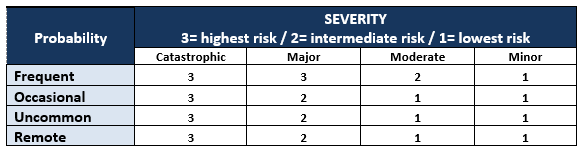
The Safety Assessment Code (SAC) can be used to determine whether or not an RCA must be conducted, based on the severity of a specific incident and its probability of occurrence.  It is a method for determining whether any further definitive action is required concerning a particular incident based on the severity of the incident and its probability of occurrence.

A "SAC score" is also of value for incidents that did not result in an adverse event but may also lead to an RCA; i.e., a close call. Close calls occur far more frequently than adverse events and can provide an exceptional opportunity for learning. Close calls afford the chance to develop preventive strategies and actions before a patient may be harmed.

The SAC Matrix is a tool for combining severity and probability. While either the severity or probability of occurrence could be determined first, it is usually more productive to assess the severity first.

When you pair a severity category with a probability category for either an actual event or close call, you will get a ranked matrix score.  These ranks, or Safety Assessment Codes (SAC), can then be used for doing comparative analysis.  There are various SAC matrix tables available, the one below uses 3 severity and 4 probability categories. 

SAC Decision Making Matrix

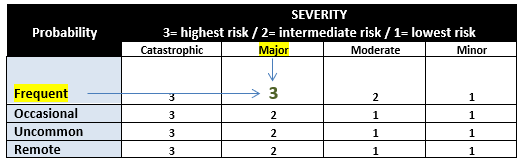
While either the severity or probability of occurrence could be determined first, it is usually more productive to assess the severity first. This is true since until one has determined the severity of an incident it would be difficult if not impossible to assess an appropriate probability level.  Intersect the 2 categories to determine the SAC score.  For example, if the probability of the adverse event happening if frequent and it is determined by the team that it ranks a severity of “3”, then result would be mapped in the table below.

3 = highest risk

2 =  intermediate risk

1 =  lowest risk

probability severity

The utility of the SAC is at the start of the process so that resources are applied where they have the greatest opportunity to improve the level of safety from a systems perspective.

Root Cause Analysis (RCA) Versus Healthcare Failure Mode & Effects Analysis (HFMEA™)

HFMEA™ is a technique that is usually performed on a system to assess and prioritize the risks associated with that system in the hopes of reducing the risks through re-design as a proactive measure.  Both Root Cause Analysis (RCA) and Healthcare Failure Mode and Effects Analysis (HFMEA™) possess the following elements:

  • Both are non-statistical methods of analysis
  • The goal of both is to reduce patient harm
  • Both involve identifying conditions that lead to harm
  • Both are team activities

Many people confuse these terms and believe that they compete against each other when in fact neither of these two techniques can accomplish what the other can. They are complementary to each other.  A “root cause” is the most fundamental reason for a failure or situation where performance does not meet expectations.

  • Root cause analysis is routinely conducted reactively – to probe the reason for a poor or unexpected outcome or failure which has already occurred.
  • A recent use of root cause is to conduct such analysis as part of a proactive risk reduction effort using Healthcare Failure Mode and Effects Analysis (HFMEA™).

The table below provides a side-by-side comparison of these two analytical tools used in health care.


RCA

Required by Joint Commission after a sentinel event

HFMEA™

Proactive approach to prevent system-related failures

Similarities

  • Non-statistical methods of analysis;
  • Goal is to reduce possibility of harm to patients in the future;
  • Involves identifying conditions that lead to harm;
  • Requires experienced and trained quality managers to lead analysis efforts; and
  • Activity which requires people, time, materials and upper-level management support.

Differences

                            RCA                                                             HFMEA™

Reactive

Proactive

Focuses on an event

Focuses on entire process

Hindsight bias

Unbiased

Fear, resistance

Openness

Asks: “Why?”

Asks: “What if?”

Summary

Organizational culture refers to the shared beliefs, values, and behaviors within a healthcare organization. A lack of emphasis on patient safety in organizational culture can hinder initiatives that aim to ensure patient safety. It may manifest itself as a lack of commitment, inadequate support, or insufficient prioritization of safety measures by the hospital's leadership and staff. This can result in a higher likelihood of medical errors and adverse events occurring. A weak organizational culture can also discourage staff from reporting incidents or speaking out about potential safety concerns further compromising patient safety.

Building a culture of safety starts with educating your Board of Directors, a C-Suite Executives.  The Compliance Department should oversee internal audits that not only include typical compliance risks related to fraud, waste and abuse, but measuring compliance to safety standards as well.  Producing reports to present to high-level executives can help support the budget needed to mitigate patient risk of an adverse event.

To learn more about RCA, I recommend registering for the Certified Healthcare Auditor online certification training program which includes not only auditing, but using RCA for corrective action after the audit.  To learn more about training as a healthcare Compliance Officer, I highly recommend the online Corporate Compliance certification program. 

About the Author and AIHC

The author, Joanne Byron, shares her clinical, consulting, auditing and educational experience by serving as the Board Chair and overseeing the AIHC Volunteer Education Committee. She is also a volunteer hospice nurse, hospice hands-on-care volunteer and End of Life Doula.

The American Institute of Healthcare Compliance (AIHCR) is a non-profit healthcare training organization and a licensing/certification partner with CMS. Please visit our online store listing current training and certification offerings.

Copyright © 2024 American Institute of Healthcare Compliance All Rights Reserved

Read More
Quality
Leadership, Quality

An Approach to Reduce Patient and Workforce Harm

Written by Joanne Byron, BS, LPN, CCA, CHA, CHCO, CHBS, CHCM, CIFHA, CMDP, OHCC, ICDCT-CM/PCS  

This article emphasizes the need of healthcare institutions to focus on building a culture of safety through improving care of the workforce.  Read Part 1: Building a Culture of Patient Safety Starts with Reducing Staff Burnout posted December 3, 2024.

New Dashboard to Track Progress

On December 5, 2024, the National Action Alliance for Patient and Workforce Safety (NAA) at the U.S. Department of Health and Human Services (HHS) launched the National Healthcare Safety Dashboard, an online resource that aggregates hospital safety data from four primary measurement sources. Thus, the dashboard creates one comprehensive resource for understanding the current state of patient and workforce safety.

The Agency for Healthcare Research and Quality (AHRQ) works under the Department of Health and Human Services.  AHRQ sponsors the National Action Alliance for Patient and Workforce Safety and now offers a resource for national patient and workforce safety data dashboard. The goal of data collection is to improve safety of patients and your healthcare workforce.

The National Healthcare Safety Dashboard makes national safety data more transparent, allowing for a comprehensive understanding of healthcare safety by care setting, beginning with hospital care. It opens doors to information and best practices to empower healthcare provider organizations, patient advocates, policymakers, professional associations and others to monitor national safety progress and make informed decisions to improve safety nationwide.

The National Action Alliance goals, listed below, are intended to help all healthcare systems strengthen their patient and workforce safety outcomes.


1.  Advance Healthcare Organization Safety Strategies Using Safety Self-Assessments

  • Encourage healthcare organizations to perform safety self-assessments focused on the NAP’s foundational elements.
  • Support healthcare organizations in their efforts to enact safety strategies based on identified gaps.

2.  Empower the Patient's Voice in Safety Strategy

  • Allow patients and families to submit safety concerns into healthcare organization event reporting systems.
  • Encourage healthcare organizations to implement communication and resolution programs.
  • Engage patients and families in safety event reviews and in safety initiative planning.

3.  Support the Healthcare Workforce by Making Healthcare Safer by Design

  • Identify and address five high-priority safety engineering needs.

4.  Support the Healthcare Workforce by Strengthening Healthcare Safety Competencies

  • Ensure all healthcare team members, from administrators to clinical and non-clinical staff, receive training in fundamental safety competencies.

5.  Facilitate a Learning and Research Network

  • Encourage learning and sharing across network.
  • Spotlight change leaders.
  • Promote robust safety measurement locally and nationally.
  • Support research to address high-priority needs in patient and workforce safety.

The initial version of the dashboard offers access to hospital safety data and will expand to include other healthcare settings, such as ambulatory clinics and nursing homes.  The data sources listed on the Dashboard include:

Resources and Tools on Patient and Healthcare Workforce Safety

Resources are listed on the AHRQ website by type of harm. These tools and resources include active federally sponsored implementation initiatives and funding opportunities and can help you address safety needs that you identify in your safety self-assessment.

  • Diagnostic Safety
  • Falls
  • Hospital-Associated Infections
  • Maternal Safety
  • Medication Safety
  • Never Events
  • Opioid Safety
  • Pressure Ulcers
  • Readmissions
  • Sepsis
  • Surgical Safety
  • Transitions in Care
  • Venous Thromboembolism

The AHRQ recommended Self-Assessment Tool is an essential resource designed to help health care organizations evaluate their safety readiness, identify opportunities for improvement, and track progress over time. The 2024 updated version of the tool aligns with the recommendations in Safer Together: A National Action Plan to Advance Patient Safety (National Action Plan) and incorporates the latest insights and best practices from global safety initiatives.

Conclusion

Healthcare is not safe until it is safe for all.  As healthcare organizations implement these initiatives and work collectively across the NAA, the National Healthcare Safety Dashboard becomes an essential tool that allows the healthcare community to monitor progress and offers insights to guide further action.  Workforce safety recognizes the imperative to protect workforce members from physical harm so that they can deliver high-quality care, and recognizes the vital importance of psychological and emotional safety for engaging, communicating, and collaborating effectively to safely deliver patient care.

The National Healthcare Safety Dashboard is now live and accessible to the public:

About the Author and AIHC

The author, Joanne Byron, shares her clinical, consulting, auditing and educational experience by serving as the Board Chair and overseeing the AIHC Volunteer Education Committee. She is also a volunteer hospice nurse, hospice hands-on-care volunteer and End of Life Doula.

The American Institute of Healthcare Compliance (AIHCR) is a non-profit healthcare training organization and a licensing/certification partner with CMS. Please visit our online store listing current training and certification offerings.

Copyright © 2024 American Institute of Healthcare Compliance All Rights Reserved

Read More
Quality
Leadership, Quality

Building a Culture of Patient Safety Starts with Reducing Staff Burnout

Written by Joanne Byron, BS, LPN, CCA, CHA, CHCO, CHBS, CHCM, CIFHA, CMDP, OHCC, ICDCT-CM/PCS

Patient safety directly relates to reducing mistakes. Increased job-related stress contributes to workforce burnout, a major contributing factor to unsafe practices. Unfortunately, our healthcare workforce faces unprecedented challenges: incidence of violence in the workplace, accelerated rates of burnout, and exposure to dangerous hazards.  This article emphasizes the need to improve patient safety and outcomes through reducing staff burnout.

Introduction

Providing a safe environment instills confidence not only to the patients we serve, but for our workforce as well.  According to the National Institutes of Health, a strong link exists between workforce wellness and patient safety.  When healthcare workers are physically and mentally well, they are more likely to have the ability to focus and deliver safe and quality patient care.  Therefore, we can conclude that a healthy workforce is necessary for a safe patient environment. 

A positive patient and workforce safety culture has been shown to significantly improve a number of patient outcomes, including lower rates of surgical site infections, falls, and medication errors, according to the Patient Safety Network. In addition to specific health outcomes, patients report having better experiences with their care when the culture of patient safety is strong.

Although most healthcare organizations agree on the importance of safety culture, research this year focused heavily on the psychological factors surrounding culture, such as psychological safety, how to support healthcare workforce staff after an adverse event, and burnout. This is a challenge in today’s world.

Work Overload as a Contributing Factor

Causes of work overload in healthcare include time constraints; alert or alarm fatigue; new and hard-to-use technology, including EHRs; and cognitive strain, which, according to the American Medical Association (AMA), directly or indirectly causes 87.1% of medical errors—even though most safety interventions focus on training clinicians, whose knowledge and skill is responsible for only 12.8% of medical errors.

Assaults, Violence Contribute to Burnout

The passion most healthcare workers have can be overridden by the threat of on-the-job violence. And this doesn’t even account for the threats encountered getting to and from work!

According to the Bureau of Labor Statistics, there is a 63% increase in the rate of injuries from violent attacks against medical professionals from 2011 to 2018. And, according to a report by the Centers for Disease Control (CDC) and the Bureau of Labor Statistics (BLS), it is reported that:

  • In 2020, health care and social assistance workers overall had an incidence rate of 10.3 (out of 10,000 full-time workers) for injuries resulting from assaults and violent acts by other persons.
  • The rate for nursing and personal care facility workers was 21.8 per 10,000 full time workers for injuries caused by assaults and violent acts by others.
    • This means that for every 10,000 full-time employees in nursing and personal care facilities, there were an average of 21.8 reported incidents of workplace violence.
  • Data obtained from nurses (RNs/LPNs) in a major population-based study showed a rate of physical assaults at 13.2 per 100 nurses per year and at a rate of 38.8 per 100 nurses per year for non-physical violent events (threat, sexual harassment, verbal abuse).

As you can see, it is difficult to work your best under these circumstances.  And even though some institutions may have a proper formal incident reporting system, there are still many incidents, especially in the forms of bullying, verbal abuse, and harassment that are never reported.

Most Vulnerable Workforce

The most vulnerable healthcare workers victimized are staff at emergency departments, especially nurses and paramedics, and staff directly involved with in-patient care.

What Patient Safety Is

When discussing “patient safety” in the context of this article, it may be helpful to quote definitions, examples and descriptions of what a safety culture is. 

According to the American Nurses Association, a culture of safety describes the core values and behaviors that come about when there is collective and continuous commitment by organizational leadership, managers, and healthcare workers to emphasize safety over competing goals.   The Joint Commission defines Safety Culture as the sum of what an organization is and does in the pursuit of safety.

From a global perspective, the World Health Organization states that patient safety is defined as “the absence of preventable harm to a patient and reduction of risk of unnecessary harm associated with health care to an acceptable minimum." Within the broader health system context, it is “a framework of organized activities that creates cultures, processes, procedures, behaviors, technologies and environments in health care that consistently and sustainably lower risks, reduce the occurrence of avoidable harm, make error less likely and reduce impact of harm when it does occur."

Is Burnout a Still Problem Now that COVID-19 is Behind Us?

The COVID pandemic is a major contributing factor to the overall burnout of health care workers. And, COVID continues to be a current infectious disease stressor to the healthcare workforce.  According to the Centers for Disease Control (CDC), “Health worker jobs in the U.S. involve demanding and sometimes dangerous duties, including exposure to infectious diseases and violence from patients and their families. The COVID-19 pandemic presented even more stressors. These included a surge of patients, longer working hours, and shortages of supplies and protective equipment. Health workers are reporting feeling fatigue, loss, and grief at levels higher than before the pandemic.”  The CDC reports:

Individuals who choose to work in healthcare often make personal sacrifices for their work. While the work can be rich with purpose and meaning, the demands on time and attention can be relentless to the point of being unhealthy for the healthcare worker.  Leadership’s approach and commitment to patient safety has a significant impact on your organization’s culture. If leaders do not prioritize or actively foster a culture of safety, it can negatively affect staff engagement and commitment to patient safety practices. Strong and supportive leadership is crucial for implementing and maintaining a culture that prioritizes patient safety.  Lack of support from upper management contributes to clinical staff burnout.

Burnout related to work stress is mainly seen as emotional exhaustion, depersonalization, and diminished sense of accomplishment.  This manifests itself with mental and physical exhaustion and is demonstrated as a lack of commitment, inadequate support, or insufficient prioritization of safety measures by leadership and staff. This can result in a higher likelihood of medical errors and adverse events occurring.

In healthcare organizations, patient and workforce safety culture are founded on how well teams work together, how supportive leadership and managers are of patient and workforce safety, how staff report events and near misses, and how teams and leaders respond to events. A weak organizational culture can also discourage staff from reporting incidents or speaking out about potential safety concerns further compromising patient safety.

Focusing efforts on a sound and sustained safety culture will lead to and support better outcomes in patient healthcare and safer working conditions for healthcare workers.

Address Patient Safety and Volunteer Staff Burnout

Don’t overlook the important role of your volunteers! Volunteers have a potential negative impact on patient care when these important members of your team experience high levels of burnout.  This can lead to decreased attention to detail, potential errors, and compromised quality of care due to exhaustion and reduced motivation. Although they are unpaid staff, they still require orientation and training.  When their importance is overlooked and minimized, it can contribute to burnout, making them more prone to mistakes, overlook important details, or have reduced responsiveness, potentially affecting patient safety.  Factors like unclear expectations, excessive workload, lack of support from leadership, inadequate training, and feeling undervalued can contribute to volunteer burnout. 

Emotional exhaustion, decreased engagement, increased absenteeism, irritability, and feeling overwhelmed are common signs of volunteer burnout. Implement systems to identify early signs of burnout in volunteers and provide necessary support or adjustments to their roles. Routine skills testing, annual HIPAA and compliance training should be included in your volunteer program.

Conclusion

The purpose of patient safety is to reduce risks, errors and harm that can occur to patients while receiving medical care, which is part of the huge patient quality emphasis currently stressed in the United States and globally. As the world faces evolving and new challenges, it can be difficult to provide an infrastructure to respond with consistent, effective practices deployed by a workforce that is properly equipped, financially and emotionally supported.

The most effective approach to envision the promotion of a patient safety culture is a multifaceted approach of interventions established at the top.  Additional reading and resources to review are:

About the Author and AIHC

The author, Joanne Byron, shares her clinical, consulting, auditing and educational experience by serving as the Board Chair and overseeing the AIHC Volunteer Education Committee.  She is also a volunteer hospice nurse, hospice hands-on-care volunteer and End of Life Doula. 

American Institute of Healthcare Compliance (AIHCR) is a non-profit healthcare training organization and a licensing/certification partner with CMS.  Please visit our online store listing current training and certification offerings.


Copyright © 2024 American Institute of Healthcare Compliance All Rights Reserved


Read More